

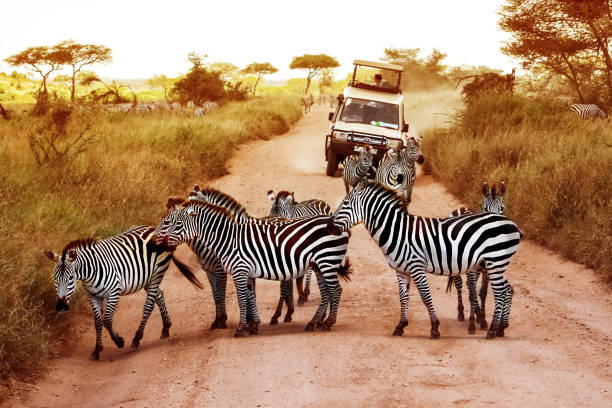
Tanzania, located in East Africa, is one of the most celebrated wildlife destinations in the world. Its vast savannahs, highland forests, volcanic craters, and freshwater lakes create diverse habitats that support some of Africa’s most iconic and extraordinary wildlife. A professional wildlife tour Tanzania combines expert-guided game drives, immersive experiences, and luxury accommodations to ensure travelers witness the country’s remarkable biodiversity in comfort and style.
Tanzania’s Wildlife Richness
Tanzania is home to an exceptional range of wildlife, including the legendary Big Five: lions, elephants, leopards, Cape buffalo, and rhinoceroses. Beyond these iconic species, the country boasts cheetahs, hyenas, hippos, giraffes, zebras, wildebeest, and a wide variety of antelopes. Its rich ecosystems also support hundreds of bird species, reptiles, and other fascinating fauna, making Tanzania a premier destination for wildlife enthusiasts, photographers, and safari travelers.
The Serengeti National Park is perhaps Tanzania’s most famous wildlife area, renowned for its sweeping plains, abundant predators, and the dramatic Great Migration. During the migration season (July–October), over a million wildebeest, zebras, and gazelles move across the park, creating thrilling wildlife spectacles that include predator-prey interactions and river crossings, providing unforgettable viewing and photographic opportunities.
The Ngorongoro Conservation Area, a UNESCO World Heritage Site, offers a completely different experience. The Ngorongoro Crater, formed millions of years ago, is a natural amphitheater teeming with wildlife, including lions, elephants, and endangered black rhinos. Its enclosed geography allows for close and predictable wildlife encounters while providing panoramic vistas that are ideal for photography.
Other noteworthy wildlife destinations include Tarangire National Park, famous for its large elephant herds and ancient baobab trees; Lake Manyara National Park, known for tree-climbing lions and vast bird populations; and the northern Samburu and Buffalo Springs reserves, where dry-country species such as the reticulated giraffe, Grevy’s zebra, and gerenuk are uniquely found. Each area offers a distinctive safari experience and highlights Tanzania’s ecological diversity.
Expert-Guided Wildlife Tours
Professional wildlife tours in Tanzania are led by highly trained guides and naturalists with extensive knowledge of animal behavior, tracking, and habitats. These experts enhance the safari experience by helping travelers locate elusive species, understand ecological interactions, and capture memorable photographic moments.
Safari vehicles are often customized for comfort and optimal viewing, featuring pop-up roofs, swivel seats, and ample space for cameras, binoculars, and spotting scopes. Game drives are typically scheduled in the early morning and late afternoon, coinciding with peak wildlife activity and the golden hours for photography. Some tours also include walking safaris and boat excursions, offering closer encounters with specific species while maintaining safety and conservation ethics.
Iconic Wildlife Experiences
A professional wildlife tour Tanzania is designed to provide a variety of immersive experiences:
- Serengeti National Park: Experience vast herds of grazing animals, dramatic predator-prey chases, and river crossings during the Great Migration. Photographers and wildlife enthusiasts can capture both intimate animal portraits and panoramic landscapes.
- Ngorongoro Crater: Observe high concentrations of wildlife within a natural enclosure, including lions, elephants, rhinos, and hippos. The crater’s topography allows for spectacular aerial-like photography.
- Tarangire National Park: Photograph large elephant herds interacting with the park’s iconic baobab trees and capture scenic sunsets over sprawling savannahs.
- Lake Manyara National Park: Witness the rare behavior of tree-climbing lions and spot flamingos, pelicans, and other waterbirds along the lake shores.
- Samburu and Buffalo Springs: Explore arid landscapes where unique species such as the Somali ostrich and gerenuk roam, providing opportunities for distinctive wildlife photography and observation.
By combining these locations, professional tours ensure travelers experience Tanzania’s full spectrum of wildlife diversity in a single journey.
Seasonal Highlights
The timing of a wildlife tour Tanzania can greatly influence sightings and experiences.
- Dry Season (June–October): Animals concentrate around rivers and waterholes, making it easier to locate wildlife. This season also coincides with the Great Migration in the Serengeti, offering the most dynamic wildlife spectacles.
- Wet Season (November–May): Landscapes are lush and green, bird activity is high, and animals are more dispersed. Breeding behaviors and the presence of young animals make this season ideal for intimate and colorful wildlife encounters.
Professional tours are scheduled to take advantage of these seasonal variations, ensuring travelers maximize both sightings and photographic opportunities.
Accommodation and Comfort
A hallmark of professional wildlife tours in Tanzania is the combination of adventure and comfort. Lodges and luxury tented camps are strategically located within or near parks to minimize travel time and maximize wildlife viewing opportunities. These accommodations provide modern amenities, including en-suite bathrooms, gourmet dining, observation decks, and private terraces with panoramic views of the surrounding wilderness.
Many camps offer sunrise and sunset experiences, bush breakfasts, and photographic hides for close wildlife encounters. These carefully curated lodgings enhance the safari experience, allowing travelers to enjoy both comfort and immersion in nature.
Conservation and Responsible Tourism
Professional wildlife tours prioritize ethical practices and conservation. Operators work closely with national parks, wildlife conservancies, and local communities to ensure that tourism benefits both nature and people. Guests are encouraged to follow guidelines such as maintaining safe distances from animals, minimizing noise, and leaving no trace.
These tours also often contribute to conservation efforts, including anti-poaching initiatives, habitat restoration projects, and wildlife research programs. Travelers not only enjoy remarkable wildlife experiences but also support the long-term preservation of Tanzania’s natural heritage.
Planning a Professional Wildlife Tour
A professional wildlife tour in Tanzania is typically customized to the traveler’s preferences and can range from 7 to 14 days, covering multiple ecosystems and species. Packages generally include private vehicles, expert guides, accommodations, meals, park fees, and logistical support. Travelers are advised to bring binoculars, cameras, spotting scopes, and appropriate clothing for varying climates, along with sun protection and sturdy walking shoes.
Carefully planned itineraries ensure a balanced mix of game drives, scenic views, and opportunities for photography, while expert guides provide in-depth knowledge of wildlife behavior and conservation. This creates an experience that is seamless, educational, and unforgettable.
Conclusion
A professional wildlife tour in Tanzania offers an unparalleled adventure into some of Africa’s most iconic landscapes and ecosystems. From observing the Big Five in Ngorongoro Crater and photographing elephants against Mount Kilimanjaro in Amboseli, to witnessing predator-prey interactions in the Serengeti and exploring arid northern reserves, Tanzania provides a wealth of wildlife experiences for every traveler.
With expert guides, luxurious accommodations, ethical practices, and thoughtfully planned itineraries, a professional Tanzania wildlife tour guarantees both adventure and comfort. For wildlife enthusiasts, photographers, and nature lovers, it is a journey that captures the essence of Africa’s wild heart—an extraordinary opportunity to witness, photograph, and immerse oneself in the country’s remarkable biodiversity.