

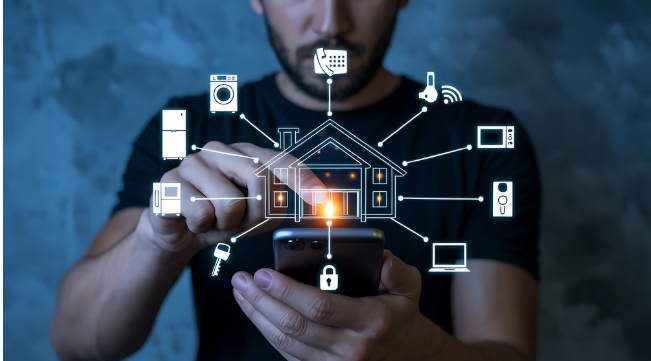
Protecting a rental property against burglary and home invasion comes with unique challenges. Unlike homeowners, tenants cannot do whatever they want . They aren’t allowed to drill holes or run wires through the walls. They aren’t allowed to make permanent structural modifications without the owner’s consent. In essence, they are limited in terms of what they can do with electronic home security.
The good news is that home security systems have evolved. Protection in the 21st century is both accessible and entirely portable for renters. Whether you rent a flat, an apartment, or a single-family home, you have options.
The Anatomy of a Prepackaged System
The first of many choices when it comes to electronic home security is whether to invest in a prepackaged system or build something piecemeal. Prepackaged systems might not make sense for renters, depending on what they are dealing with. Here is what an entry-level prepackaged system typically comes with:
- A central hub
- A keypad
- A few window and door sensors
- A motion sensor
- A companion mobile app
HomeProtect is an entry-level prepackaged system from Vivint Home Security. Like its competitors, Vivint allows customers to add devices to the base package. So you could get HomeProtect and throw in a video camera or two.
What Works (and What Doesn’t)
Now that you know what a base system typically looks like, it’s time to discuss what does and doesn’t work. The general rule of thumb here is that any device that forces you to make alterations to the property cannot be used in an apartment. So any device requiring screws, additional wiring, etc. is a no-go. You can use devices that rely on adhesive strips to attach to walls. As an apartment renter, you can consider:
- Peel-and-stick entry sensors
- Stand-alone wireless indoor cameras
- Smart plug adapters
- Wireless peephole cameras
Whatever devices you choose to use cannot result in permanent alterations to the property. You have to be able to take your devices when you go, leaving no damage behind. Here are devices you should absolutely avoid in an apartment:
- Hard-wired security systems
- Exterior floodlight cameras
- Exterior cameras mounted in shared corridors
- Most types of video doorbells
Cameras are particularly tricky, especially if you are thinking of watching the space directly outside your front door. Hallways and corridors are considered shared spaces, and many landlords do not allow them to be surveilled with cameras.
Options for Rented Homes
If you’re renting a single-family home, you’re in a different situation. You may have the opportunity to utilize a full-blown security system with all the features you have ever wanted. But of course, that’s up to you and your landlord to work out.
Physically speaking, your rented home is no different from the home your neighbor owns. You can theoretically equip it with entry sensors, motion sensors, video cameras, smart locks, and more. The big question is what your lease allows. Unfortunately, standard leases prohibit making any permanent alterations to the property.
The best advice anyone could give you is to speak with your landlord before you install anything. Even if general lease language prohibits you from using home security, your landlord could grant you an exception. Just make sure you get any such exceptions in writing.
You Still Have Options
If it seems like your home security options as a renter are limited, you’re absolutely right. But limited does not mean impossible. There are still home security devices you can deploy without violating lease terms. So figure out what your lease allows and then shop accordingly. You might be pleasantly surprised by how many options you actually have.