

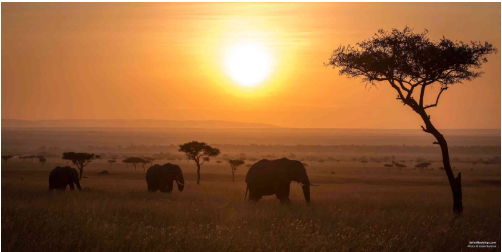
Tanzania stands as one of Africa’s most magnificent safari destinations, offering an unparalleled combination of diverse wildlife, breathtaking landscapes, and authentic cultural experiences. From the endless plains of the Serengeti to the wildlife-rich Ngorongoro Crater, an African safari in Tanzania promises encounters with nature that will remain etched in your memory forever.
Why Choose Tanzania for Your African Safari
Tanzania encompasses nearly 40% of its land as protected areas, making it one of the most wildlife-rich countries on the planet. This East African Safari tanzania nation boasts an extraordinary concentration of national parks, conservation areas, and game reserves that shelter the famous Big Five—lions, elephants, buffalo, leopards, and rhinoceros—alongside countless other species. The country’s commitment to conservation ensures that wildlife thrives in their natural habitats, providing visitors with authentic and ethical wildlife viewing experiences.
What distinguishes Tanzania from other safari destinations is the sheer diversity of ecosystems contained within its borders. You can witness the Great Migration in the Serengeti, explore the world’s largest intact volcanic caldera at Ngorongoro, track chimpanzees in Mahale Mountains, and relax on the pristine beaches of Zanzibar—all within a single country. This variety allows travelers to craft truly comprehensive safari experiences that extend beyond traditional game drives.
The Serengeti: Heart of the Wild
The Serengeti National Park represents the quintessential African safari experience. Covering approximately 14,750 square kilometers, this vast ecosystem hosts the greatest wildlife spectacle on Earth: the Great Migration. Each year, over two million wildebeest, accompanied by hundreds of thousands of zebras and gazelles, embark on a circular journey following the rains in search of fresh grazing lands.
The timing of your visit to the Serengeti significantly impacts what you’ll witness. From December to March, the herds congregate in the southern Serengeti for the calving season, where predators take advantage of vulnerable newborns. Between April and June, the migration moves westward toward the Grumeti River, while July through October sees dramatic river crossings at the Mara River, where crocodiles await their annual feast. November marks the return southward, completing the eternal cycle.
Beyond the migration, the Serengeti supports year-round wildlife viewing with exceptional predator populations. The park harbors the largest lion population in Africa, alongside healthy numbers of cheetahs, leopards, and spotted hyenas. The diverse habitats—from open grasslands to riverine forests and rocky kopjes—ensure that every game drive reveals something remarkable.
Ngorongoro Crater: The Garden of Eden
The Ngorongoro Conservation Area protects one of nature’s most extraordinary creations. This massive volcanic caldera, formed roughly 2.5 million years ago, spans 260 square kilometers and hosts approximately 25,000 large mammals within its walls. The crater floor functions as a natural enclosure, creating one of the highest concentrations of wildlife anywhere in Africa.
Descending into the crater feels like entering a lost world. The diverse habitats within this natural amphitheater support remarkable biodiversity. Flamingos paint Lake Magadi pink, while hippos wallow in the Mandusi Swamp. Black rhinos, among Africa’s most endangered animals, find refuge here, making Ngorongoro one of the best places in Tanzania to spot these magnificent creatures.
The crater’s self-contained ecosystem means wildlife remains relatively concentrated, offering exceptional viewing opportunities throughout the year. Lions, elephants, buffalo, and countless antelope species graze the crater floor, while predators patrol the grasslands. The combination of stunning scenery and abundant wildlife makes Ngorongoro an essential component of any Tanzanian safari itinerary.
Tarangire National Park: Land of Giants
Often overshadowed by its more famous neighbors, Tarangire National Park deserves recognition as one of Tanzania’s hidden gems. During the dry season from June through October, Tarangire transforms into a wildlife magnet as animals from surrounding areas converge on the permanent waters of the Tarangire River.
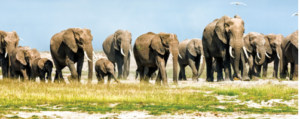
The park is renowned for its elephant populations—among the largest in Tanzania. Herds exceeding 300 individuals gather along the riverbanks, creating spectacular photographic opportunities. Ancient baobab trees dominate the landscape, their massive trunks and twisted branches providing iconic African backdrops for wildlife photography.
Tarangire also supports significant populations of predators and offers excellent birdwatching with over 550 species recorded. The park’s more intimate size and fewer visitors create a more exclusive safari experience compared to the busier northern circuit parks.
Mount Kilimanjaro: Africa’s Rooftop
While not a traditional safari destination, Mount Kilimanjaro adds an adventurous dimension to Tanzanian safaris. This iconic snow-capped peak, rising 5,895 meters above sea level, attracts thousands of trekkers annually who attempt to reach Uhuru Peak, the highest point in Africa.
Several routes of varying difficulty lead to the summit, ranging from the relatively straightforward Marangu Route to the more challenging Machame and Lemosho routes. Most treks require five to nine days, allowing proper acclimatization to the altitude. The journey traverses five distinct climate zones, from tropical rainforest at the base through alpine desert to the arctic conditions at the summit.
Many travelers combine a Kilimanjaro trek with a safari, creating an ultimate Tanzanian adventure that encompasses both wildlife viewing and mountain climbing. The sense of accomplishment upon reaching the summit, coupled with the wildlife experiences below, creates truly unforgettable memories.
Zanzibar: The Spice Island Paradise
After days of early morning game drives and dusty safari vehicles, Zanzibar offers the perfect counterbalance. This semi-autonomous archipelago off Tanzania’s coast combines pristine beaches, turquoise waters, rich history, and vibrant culture. The main island, Unguja, features some of East African safari tanzania finest beaches, particularly along the northern and eastern coasts.
Stone Town, Zanzibar’s historic heart and a UNESCO World Heritage Site, reveals centuries of cultural fusion. Arab, Persian, Indian, and European influences blend in the narrow alleyways, ancient buildings, and bustling markets. Visitors can explore the Sultan’s Palace, visit the former slave market, and wander through the aromatic spice plantations that gave Zanzibar its nickname.
Water sports enthusiasts find paradise in Zanzibar’s coral reefs, which offer excellent snorkeling and diving opportunities. Dolphin tours, spice tours, and dhow cruises provide additional activities for those seeking cultural and natural experiences beyond the beach.
Best Time for an African Safari in Tanzania
Tanzania’s safari seasons divide into dry and wet periods, each offering distinct advantages. The dry season, from June through October, provides the most comfortable weather and optimal wildlife viewing. Animals concentrate around permanent water sources, vegetation thins, and roads remain accessible. This period coincides with the Great Migration in the northern Serengeti and Masai Mara, making it the most popular and expensive time to visit.
The wet season splits into short rains (November-December) and long rains (March-May). While less predictable and occasionally challenging for travel, the wet season offers significant benefits. Landscapes transform into lush green paradises, migratory birds arrive in spectacular numbers, and predator action intensifies during the calving season in the southern Serengeti. Additionally, safari rates drop considerably, and parks host fewer visitors, creating more intimate wildlife encounters.
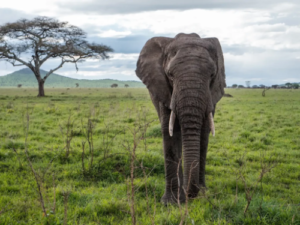
The shoulder months of January, February, and November often provide the best balance between favorable weather, good wildlife viewing, and reasonable prices. These periods allow visitors to experience Tanzania’s highlights without the peak season crowds.
Types of Safari Experiences
Tanzania accommodates every safari style and budget. Traditional game drives in 4×4 vehicles remain the most common safari format, typically conducted in the early morning and late afternoon when animals are most active. Private vehicles offer flexibility and personalized experiences, while group safaris provide more economical options for budget-conscious travelers.
Walking safaris create intimate connections with the African bush. Accompanied by armed rangers and experienced guides, you’ll track animals on foot, learning about smaller creatures, plant life, and tracking techniques that vehicle-based safaris overlook. Several parks and private concessions offer multi-day walking expeditions for those seeking deeper immersion.
Balloon safaris, available in the Serengeti and Tarangire, provide breathtaking aerial perspectives of the landscape and wildlife below. Floating silently above the plains as the sun rises, with wildlife spreading out beneath you, ranks among safari’s most magical experiences. These flights typically conclude with champagne breakfasts in the bush.
Night game drives reveal a completely different cast of characters. Nocturnal species like leopards, honey badgers, aardvarks, and genets emerge after dark, offering sightings impossible during daytime excursions. Private concessions and certain conservation areas permit night drives, as national parks restrict nighttime activities.
Cultural Encounters: Beyond Wildlife
Tanzania’s cultural richness enhances safari experiences beyond wildlife encounters. The Maasai people, semi-nomadic pastoralists famous for their distinctive red shukas and jumping dance, inhabit areas around many northern circuit parks. Village visits offer insights into traditional lifestyles, though it’s important to choose ethical, community-led tourism operations that genuinely benefit local people rather than exploitative tourist traps.
The Hadzabe, one of the last remaining hunter-gatherer tribes in Africa, live around Lake Eyasi near the Ngorongoro Conservation Area. Spending time with these remarkable people, learning about their hunting techniques and intimate knowledge of the land, provides perspective on humanity’s ancient relationship with nature.
In the south, the Makonde people are renowned for their intricate wood carvings, while coastal cultures reflect Swahili heritage with influences from Arab traders. These cultural dimensions add depth to Tanzanian safaris, connecting visitors with the human stories that exist alongside wildlife conservation.
Accommodation Options
Tanzania’s safari accommodation spectrum ranges from basic campsites to ultra-luxurious lodges. Budget travelers can choose between public campsites within national parks or more serviced budget lodges just outside park boundaries. These options make Tanzanian safaris accessible to backpackers and cost-conscious travelers willing to accept simpler amenities.
Mid-range lodges and tented camps balance comfort with affordability. These properties typically offer private rooms or tents, decent meals, and comfortable common areas without the premium price tags of luxury operations. Many mid-range options occupy excellent locations near park entrances or within conservation areas.
Luxury and ultra-luxury properties redefine safari accommodation sta
ndards. Permanent lodges feature spacious suites with private decks, infinity pools overlooking waterholes, and gourmet dining. Luxury tented camps combine classic safari romance with modern comforts—think four-poster beds, en-suite bathrooms, and attentive service in canvas structures. Mobile camps follow the Great Migration, positioning guests at the heart of the action.
Conservation-focused properties integrate sustainable practices, solar power, and community engagement programs, allowing conscientious travelers to minimize their environmental impact while maximizing their positive contribution to local communities and wildlife protection.
Practical Considerations
Planning a Tanzanian safari requires attention to several practical matters. Most international visitors require visas, which can be obtained online in advance or upon arrival at major entry points. Yellow fever vaccination certificates are mandatory for travelers arriving from countries with yellow fever transmission risk.
Malaria prophylaxis is strongly recommended for most of Tanzania, particularly lowland areas and during rainy seasons. Consult travel health specialists about appropriate medications and other health precautions. Comprehensive travel insurance covering medical evacuation is essential given the remote nature of many safari destinations.
Currency matters deserve attention. While US dollars are widely accepted for safari payments, local currency (Tanzanian shillings) is useful for smaller purchases and tipping. ATMs exist in major towns but are scarce in rural areas. Credit cards see limited acceptance outside upscale properties.
Packing for safari requires balancing comfort and practicality. Neutral-colored clothing helps you blend into the environment, while layers accommodate temperature variations between early mornings and midday heat. Essential items include sun protection, insect repellent, binoculars, camera equipment, and comfortable walking shoes.
Conservation and Responsible Tourism
Tanzania faces significant conservation challenges despite its impressive protected area network. Human-wildlife conflict, poaching, habitat loss, and climate change threaten wildlife populations. Responsible safari operators contribute to conservation through park fees, anti-poaching support, community programs, and education initiatives.
Travelers can support conservation by choosing ethical operators, respecting wildlife viewing guidelines, and considering stays at properties with demonstrated conservation commitments. Supporting community-based tourism initiatives ensures local people benefit from wildlife, creating incentives for conservation rather than conversion of wild lands to agriculture.
Photography ethics matter in the digital age. Avoid disturbing wildlife for photographs, respect minimum distance requirements, never bait animals, and be mindful of how images are shared on social media. Responsible wildlife photography prioritizes animal welfare over the perfect shot.
Conclusion
An African safari Tanzania represents more than a vacation—it’s a transformative journey into the wild heart of nature. The country’s remarkable diversity, from the endless Serengeti plains to the volcanic grandeur of Ngorongoro and the beaches of Zanzibar, creates opportunities for deeply fulfilling travel experiences. Whether witnessing the Great Migration, tracking lions through acacia woodlands, or watching the sun set over the crater rim, Tanzania delivers moments of profound connection with the natural world.
The magic of Tanzania lies not just in its charismatic megafauna but in the complete immersion it offers into authentic African wilderness. Early morning departures reveal landscapes emerging from darkness, while evening game drives showcase predators beginning their nightly hunts. The sounds, scents, and rhythms of the bush become part of your daily experience, resetting modern sensibilities and reconnecting you with something primal and essential.
Tanzania’s appeal extends beyond immediate gratification. By choosing responsible operators and properties, your safari investment supports critical conservation work and community development. You become part of the solution, helping ensure that future generations can experience the same wildlife spectacles that inspire you today. This legacy of positive impact amplifies the meaning of your journey far beyond personal enjoyment.
For those still dreaming of their first safari or planning to return, Tanzania stands ready to exceed expectations. The country’s combination of world-class wildlife viewing, stunning landscapes, rich cultures, and excellent tourism infrastructure creates optimal conditions for safari success. Whether you prefer luxury lodges or mobile camps, action-packed game drives or contemplative walking safaris, Tanzania accommodates every preference while maintaining the authentic wilderness character that makes African safaris extraordinary.
Key Takeaways
- Unmatched Wildlife Diversity: Tanzania protects nearly 40% of its land, hosting the Big Five and the greatest wildlife migration on Earth
- Serengeti National Park: Witness the Great Migration’s dramatic river crossings and exceptional predator populations year-round
- Ngorongoro Crater: Experience one of the world’s highest concentrations of wildlife in this natural amphitheater
- Seasonal Considerations: Dry season (June-October) offers optimal viewing; wet season provides lush landscapes and fewer crowds
- Beyond Game Drives: Walking safaris, balloon rides, and night drives create varied wildlife encounters
- Cultural Richness: Maasai, Hadzabe, and Swahili cultures add human dimensions to wildlife experiences
- Accommodation Range: Options span budget camping to ultra-luxury lodges, making safaris accessible to all budgets
- Zanzibar Extension: Combine bush and beach for the ultimate Tanzanian adventure
- Conservation Impact: Responsible safari choices directly support wildlife protection and community development
- Proper Planning: Advance booking, health precautions, and appropriate packing ensure smooth safari experiences
Frequently Asked Questions
How much does an African safari in Tanzania cost?
Safari costs vary dramatically based on season, accommodation level, and trip length. Budget safaris start around $150-250 per person per day, mid-range options run $300-500 daily, while luxury experiences exceed $600-1,500+ per person per day. These rates typically include accommodation, meals, park fees, and game drives but exclude flights, visas, and gratuities.
Is Tanzania safe for tourists?
Tanzania is generally safe for tourists, particularly within established safari circuits and tourist areas. Wildlife poses the primary safety consideration during safaris—always follow guide instructions and maintain safe distances from animals. Petty theft occurs in cities, so take standard travel precautions. Choose reputable operators for all activities.
What’s the best safari itinerary for first-timers?
A classic first-timer itinerary includes 7-10 days covering Tarangire, Ngorongoro Crater, and Serengeti, possibly with a Zanzibar beach extension. This combination provides diverse landscapes, excellent wildlife viewing, and a good introduction to Tanzanian safari experiences without being overwhelming.
Do I need special vaccinations for Tanzania?
Yellow fever vaccination is required if arriving from endemic countries. Recommended vaccinations include hepatitis A and B, typhoid, and routine immunizations. Malaria prophylaxis is strongly advised for most safari areas. Consult a travel health clinic 6-8 weeks before departure.
Can I see the Great Migration year-round?
The Great Migration is a continuous circular movement, so some phase occurs year-round. However, specific spectacles like river crossings (July-October) or calving season (January-February) occur during limited windows. Work with knowledgeable operators to align your visit with desired migration stages.
What should I pack for a Tanzanian safari?
Essential items include neutral-colored clothing, layers for temperature changes, sun protection (hat, sunscreen, sunglasses), insect repellent, binoculars, camera with extra batteries, comfortable walking shoes, and any necessary medications. Most airlines impose luggage restrictions for small aircraft transfers—pack in soft-sided bags.
Are Tanzania safaris suitable for families with children?
Many lodges and operators welcome families, though minimum age restrictions often apply (typically 6-12 years depending on the property). Family-friendly accommodations offer interconnecting rooms, adapted meal times, and child-appropriate activities. Private vehicles provide flexibility for families with young children who may have shorter attention spans.
How close can you get to wildlife?
Minimum distance requirements exist for different species (typically 25 meters for most animals, more for predators). Guides respect these guidelines for both safety and animal welfare. In open vehicles during Serengeti game drives, animals often approach vehicles voluntarily, sometimes passing within meters, providing incredible close encounters while maintaining ethical standards.