

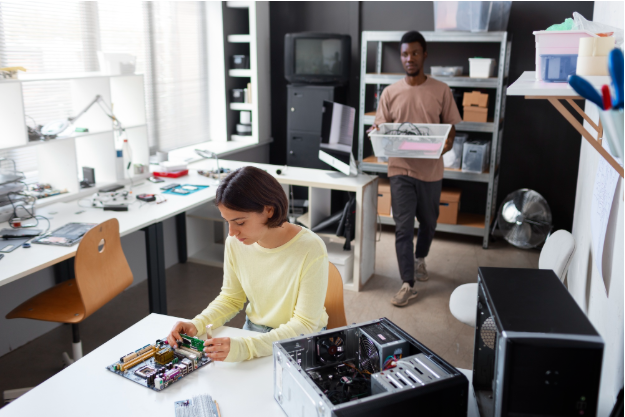
Electronic devices have become an essential part of everyday life. In homes, people depend on computers, smartphones, televisions, and various household appliances, and in businesses, there is a whole set of electronic equipment used to keep day-to-day operations running. As technology keeps advancing, older devices often get swapped out for newer models, which means more electronic waste, aka e-waste.
Finding a good electronic recycling routine feels like a practical answer; it supports the environment and the community at the same time, and it also helps both households and businesses deal with outdated gear in a responsible way.
Reduces Electronic Waste
A lot of electronics include materials that can take years to actually break down, and if they’re tossed away the wrong way, harmful substances may end up leaking out. Recycling makes sure those components are handled safely. This reduces pollution and supports better overall waste management.
For families and companies that regularly update their technology, recycling is a more eco-friendly way to dispose of unwanted electronics.
Supports Sustainable Business Practices
A lot of organizations are trying to hit sustainability targets, and electronic recycling kind of fits in there as a practical method; for sure it helps. When computers, printers, monitors, and even networking devices are recycled properly, it demonstrates environmental responsibility and can help businesses reduce their overall carbon footprint noticeably.
Customers, staff, and business partners often like to see a company that actually backs environmentally friendly practices, not just saying it in brochures.
Conserves Valuable Natural Resources
Electronic devices also include useful and valuable materials like aluminum, copper, steel, gold, silver, and certain plastics. When materials are recycled, they can be recovered and used again to make brand-new products, reducing the need to extract raw materials from the earth in the first place.
Plus, conserving those natural resources usually means less energy use, which also reduces the overall environmental burden tied to mining and manufacturing, not just the waste part.
Protects Sensitive Data
Businesses and homeowners usually keep personal or confidential details on electronic devices. So before recycling computers, laptops, hard drives, or any other storage devices, it’s important to take steps to remove or securely erase that information.
Many experienced recycling services provide secure data destruction approaches, which help protect sensitive material from unauthorized access while still making sure the items get recycled responsibly
Reduces Disposal Costs
Improperly discarding electronic equipment can lead to extra charges or cause awkward storage issues for a business. Recycling programs often include convenient pickup or collection services that simplify how things get disposed of.
For organizations handling lots of old technology, having a structured recycling setup can boost efficiency and also cut down on long-term waste management costs, which is pretty helpful
Encourages Equipment Reuse
Not every electronic device has to be broken down for recycling. Quite a few items can be refurbished, repaired, or updated first, and then donated or sold again. When electronics are still working, they can be supplied to schools, nonprofit organizations, or local community programs. That extends the useful life of valuable equipment and reduces unnecessary waste.