

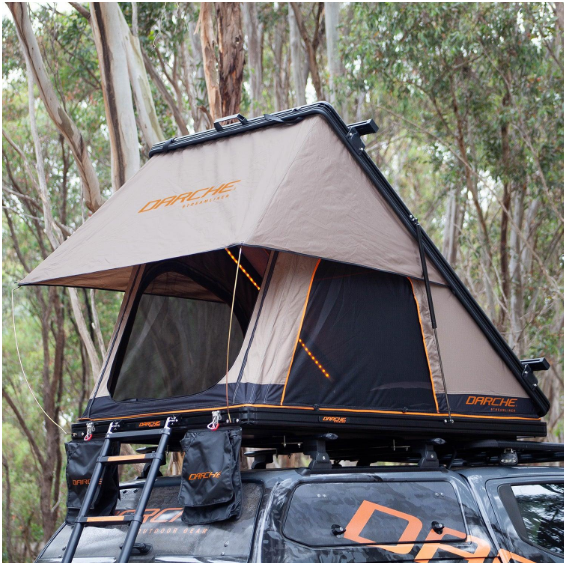
Introduction: Why Rooftop Tents Changed Overland Camping
A few years ago, camping from a vehicle meant unloading the car, pitching a ground tent and hoping the site was flat. Today, a growing number of travelers simply park, unfold a rooftop tent and are ready for bed in minutes. Raised off the ground, they offer a drier, cleaner and often safer place to sleep, with better views and fewer worries about mud, insects or uneven terrain.
But a rooftop tent is only part of the picture. Comfortable camping depends on the right supporting gear, from sleeping systems and cooking equipment to lighting, water storage and recovery tools. This guide covers how rooftop tents work, how to choose one and which camping gear is worth packing for road trips of any length.
What Is a Rooftop Tent?
A rooftop tent (RTT) is a tent mounted on the roof rack of a vehicle. It stays attached while you drive and opens up at camp, usually with a ladder for access. Most include an integrated mattress, so bedding can stay inside while traveling.
Main advantages
- Fast setup: Many open in one to five minutes.
- Off the ground: Better protection from mud, water, insects and some wildlife.
- Comfort: Built-in foam mattresses are usually thicker than typical camping mats.
- Flexibility: Camp almost anywhere you can park, including sloped ground where a ground tent would struggle.
- Views: Elevated sleeping gives a better outlook.
Main drawbacks
- Cost: Quality models are a significant investment.
- Weight: They add load to the roof, which can affect fuel use and handling.
- Packing up to move: Once set up, you must close it to drive anywhere.
- Access: Climbing a ladder at night is less convenient than stepping out of a ground tent.
Types of Rooftop Tents
Hard-shell tents. These have a rigid cover that lifts or pops up. They are quick to open, aerodynamic and durable, though usually more expensive.
Soft-shell (folding) tents. These fold open like a book and often provide more sleeping space and an optional annex underneath. They are generally more affordable but take slightly longer to set up and pack away.
Pop-up and wedge styles. Compact designs that suit smaller vehicles and quick overnight stops.
Awning and annex options. Many tents accept add-on rooms or awnings that create shade, shelter and extra living space.
How to Choose a Rooftop Tent
- Check your vehicle’s roof capacity. Look at both the dynamic limit (while driving) and static limit (while parked). Many roofs carry more weight when parked than when moving.
- Choose the right rack. The roof rack must be strong enough and properly fitted. A weak rack is a safety risk.
- Match size to your group. Think about real sleeping space, not just the advertised capacity. Two adults and luggage often need more room than expected.
- Consider the climate. Four-season fabrics and good ventilation matter in cold or humid regions, while reflective covers help in heat.
- Weigh setup speed. If you move camp daily, quick setup is more valuable than extra space.
- Look at build quality. Check fabric weight, waterproofing, zippers, hinges, ladder strength and warranty.
- Think about fuel and handling. Heavier tents raise the center of gravity and can reduce fuel efficiency.
Rooftop Tent vs. Ground Tent
| Factor | Rooftop tent | Ground tent |
| Setup time | Very fast | Slower |
| Cost | Higher | Lower |
| Comfort | Built-in mattress, off the ground | Depends on gear |
| Flexibility to leave camp | Must pack away | Can leave tent pitched |
| Vehicle impact | Adds roof weight | None |
| Best for | Frequent movers, rough ground | Base camps, budget trips |
Many travelers combine both: a rooftop tent for convenience on the road and a ground tent or awning for longer stays.
Essential Camping Gear Checklist
Sleeping
- Sleeping bags or quilts rated for expected temperatures
- Pillows and extra blankets
- Sheet liners for easy washing
- Mattress topper if extra comfort is wanted
Cooking and Eating
- Two-burner camp stove and fuel
- Cookware, cutlery, plates, mugs and a sharp knife
- Cooler or 12V fridge
- Water containers and a purification method
- Washing-up bowl, biodegradable soap and a cloth
- Rubbish bags for packing out waste
Lighting and Power
- Headlamps and a lantern
- Spare batteries or a rechargeable system
- Power bank and vehicle charging adapters
- Optional portable solar panel or auxiliary battery
Furniture and Comfort
- Folding chairs and a compact table
- Awning or tarp for shade and rain
- Mats to keep dirt out of the tent
- Insect repellent and sun protection
Safety and Maintenance
- First-aid kit and personal medication
- Fire extinguisher
- Multi-tool and repair kit
- Spare tent poles, zips and patching tape
- Torch and emergency contacts
Vehicle and Recovery
- Full-size spare tyre, jack and compressor
- Recovery tracks, tow strap and shovel
- Offline maps and a satellite communicator for remote areas
Packing Smart
- Keep heavy items low and central in the vehicle for stability.
- Use storage boxes to organize cooking, food and tools separately.
- Store frequently used gear within easy reach, such as lights, water and a first-aid kit.
- Remember roof limits. Avoid stacking extra weight on or above the tent beyond the rack’s rating.
- Secure everything. Loose items become hazards on rough tracks.
Setting Up Camp Safely
- Choose level ground where possible, away from dead branches, flood channels and dry riverbeds.
- Check the surroundings for wildlife signs, ant nests and low-hanging hazards.
- Apply the handbrake and chock wheels if parked on a slope.
- Open the tent following the manufacturer’s instructions, securing all supports and ladders.
- Keep food stored properly away from sleeping areas in regions with wildlife.
- Mind your footing when using the ladder at night, and keep a torch within reach.
Weather, Ventilation and Condensation
Condensation is the most common comfort complaint in rooftop tents. Reduce it by:
- Leaving vents or windows partly open, even in cold weather
- Avoiding wet clothing inside the tent
- Using an anti-condensation mat under the mattress
- Airing the tent out when conditions allow
In strong wind, close the tent and consider moving to a more sheltered spot. In heavy rain, check that seams and covers are in good order before setting off on a long trip.
Care and Maintenance
Good gear lasts longer with simple habits.
- Let it dry fully before long-term storage to prevent mold and mildew.
- Clean dust and mud from zips and hinges, and lubricate as recommended.
- Inspect mounts and bolts regularly, especially after rough driving.
- Store the tent out of direct sunlight when not in use.
- Repair small tears early before they grow.
Camping Responsibly
- Use designated campsites where available.
- Take all rubbish with you.
- Keep fires within regulations and never leave them unattended.
- Respect wildlife and keep a safe distance.
- Follow local rules, permits and seasonal restrictions.
- Be considerate of neighbors and local communities.
Budgeting for Tent and Gear
Costs vary widely depending on brand, materials and features. Plan for the tent itself, a suitable roof rack, a sleeping system, cooking and power equipment, recovery gear and storage. If you only camp occasionally, renting a vehicle already equipped with a rooftop tent and camping gear can be more economical than buying everything, and lets you test the style before committing.
Conclusion
A rooftop tent paired with the right camping gear turns road trips into flexible, comfortable adventures. You gain fast setup, a good night’s sleep and the freedom to stop wherever the scenery or the schedule suggests. The keys are choosing a tent that suits your vehicle’s roof capacity, building a sensible gear kit around cooking, power, safety and recovery, and caring for your equipment so it lasts.
Whether you are planning a weekend away or a multi-week overland journey, start with the essentials, test your setup close to home and add accessories as experience shows what you really need. Camp responsibly, leave places as you found them and enjoy the independence that comes with carrying your bed on your roof.
Key Takeaways
- Rooftop tents offer quick setup, elevated comfort and flexible camping almost anywhere.
- Check your vehicle’s dynamic and static roof load limits before buying.
- Hard-shell tents are faster and more aerodynamic; soft-shell tents offer more space for the price.
- A good gear kit covers sleeping, cooking, lighting, power, safety and recovery.
- Ventilation and anti-condensation measures improve comfort in any climate.
- Keep heavy gear low and central in the vehicle, and secure all loose items.
- Dry, clean and inspect your tent regularly to extend its life.
- Renting a pre-equipped vehicle is a smart way to try rooftop camping.
Frequently Asked Questions (FAQ)
What is a rooftop tent?
It is a tent mounted on a vehicle’s roof rack that opens up at camp, usually with a ladder and built-in mattress.
Are rooftop tents worth it?
They are worth it for frequent travelers who value fast setup and comfort. Occasional campers may prefer a ground tent or renting an equipped vehicle.
How much weight can my roof carry?
It depends on the vehicle. Check the manufacturer’s dynamic (driving) and static (parked) roof load ratings, and make sure your rack is rated appropriately.
Do rooftop tents affect fuel economy?
Yes, usually. Added weight and wind resistance can increase fuel use, with slimmer hard-shell designs often performing better.
Are rooftop tents safe from wildlife?
Being off the ground can help, but it does not make you immune. Store food securely, follow local guidance and respect wildlife in the area.
Can I use a rooftop tent in rain or cold weather?
Yes, with a suitable four-season or well-sealed tent, proper ventilation and appropriate bedding for the temperature.
How do I reduce condensation?
Keep vents partly open, avoid bringing wet items inside and use an anti-condensation mat beneath the mattress.
What camping gear is essential besides the tent?
Sleeping bags, a stove and cookware, water containers, lighting, a first-aid kit, chairs, power supply and basic recovery equipment.
Can I rent a vehicle with a rooftop tent and camping gear?
Many rental providers offer equipped vehicles, often including bedding, cooking gear and chairs. Confirm exactly what is included before booking.
How do I maintain a rooftop tent?
Dry it fully before storage, clean zips and hinges, inspect mounts and bolts, and repair small tears early.