

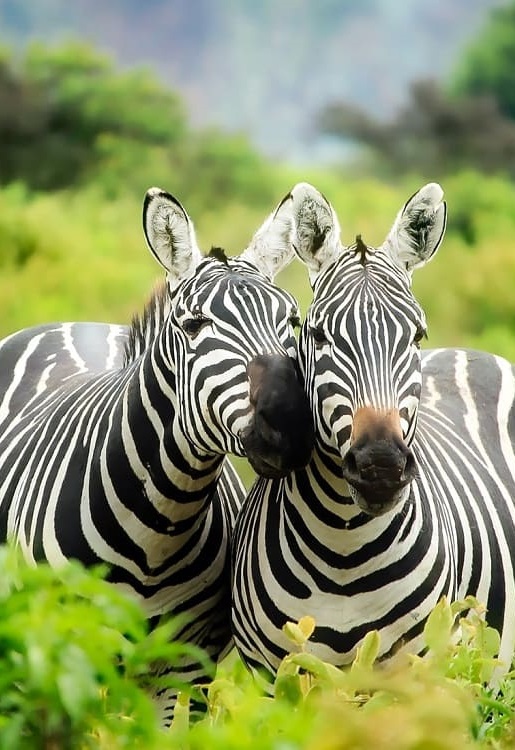
A Kenya safari is one of the world’s most extraordinary travel experiences, offering breathtaking landscapes, remarkable wildlife, and rich cultural heritage. Known as the birthplace of the modern safari, Kenya attracts travelers from across the globe who seek adventure, relaxation, and an authentic connection with nature. From the vast plains of the Maasai Mara to the snow-capped peaks of Mount Kenya, the country presents an unforgettable destination for wildlife enthusiasts and nature lovers alike.
The highlight of any Kenya safari is its exceptional wildlife. Kenya is home to the famous “Big Five”—the lion, elephant, leopard, rhinoceros, and buffalo. These iconic animals roam freely across the country’s renowned national parks and reserves, providing visitors with incredible opportunities for wildlife viewing and photography. The Maasai Mara National Reserve is particularly famous for the Great Migration, where millions of wildebeest, zebras, and gazelles cross the Mara River in search of greener pastures. This spectacular natural event is widely regarded as one of the greatest wildlife shows on Earth.
Beyond the Maasai Mara, Kenya offers a variety of remarkable safari destinations. Amboseli National Park is celebrated for its large elephant herds and stunning views of Mount Kilimanjaro. Tsavo National Park, one of Africa’s largest protected areas, features diverse ecosystems, volcanic landscapes, and abundant wildlife. Lake Nakuru National Park is renowned for its flamingos, rhinos, and numerous bird species, making it a paradise for birdwatchers and photographers.
A Kenya safari is not only about wildlife but also about experiencing the country’s vibrant culture. Visitors have the opportunity to meet the Maasai people, one of Kenya’s most well-known indigenous communities. Their colorful traditional attire, unique customs, and warm hospitality provide valuable insights into a way of life that has been preserved for generations. Cultural tours allow travelers to learn about Maasai traditions, music, dance, and craftsmanship while supporting local communities.
Kenya’s commitment to wildlife conservation has made it a global leader in sustainable tourism. Many safari lodges and camps operate with environmentally friendly practices, helping protect natural habitats while benefiting nearby communities. Travelers who choose responsible safari operators contribute directly to conservation efforts and local economic development, ensuring that Kenya’s natural treasures remain protected for future generations.
The best time to visit Kenya depends on individual preferences, although the dry seasons from June to October and January to February generally provide excellent wildlife viewing. During these months, animals gather around water sources, making them easier to spot. The Great Migration typically occurs between July and October, drawing thousands of visitors eager to witness this remarkable event.
In conclusion, a Kenya safari offers far more than a traditional vacation. It is a life-changing adventure that combines spectacular wildlife encounters, breathtaking scenery, cultural discovery, and meaningful conservation experiences. Whether exploring expansive savannahs, observing majestic animals in their natural habitat, or connecting with local communities, a safari in Kenya creates memories that last a lifetime. For anyone seeking an extraordinary African adventure, Kenya remains one of the world’s premier safari destinations.