

Plaster of Paris is a material that seems simple to use; however, when one gets it wrong, it can be very frustrating. When it is done wrong, the plaster will be weak and lumpy and might crumble or break. When properly done, the material will be tough and smooth and will suit your project. It is not just the powder of plaster of Paris that matters; it is also the timing, the dexterity of the person, and the water that are important. Let’s examine the precise steps involved in mixing it correctly.
The Qualities of Good Plaster of Paris
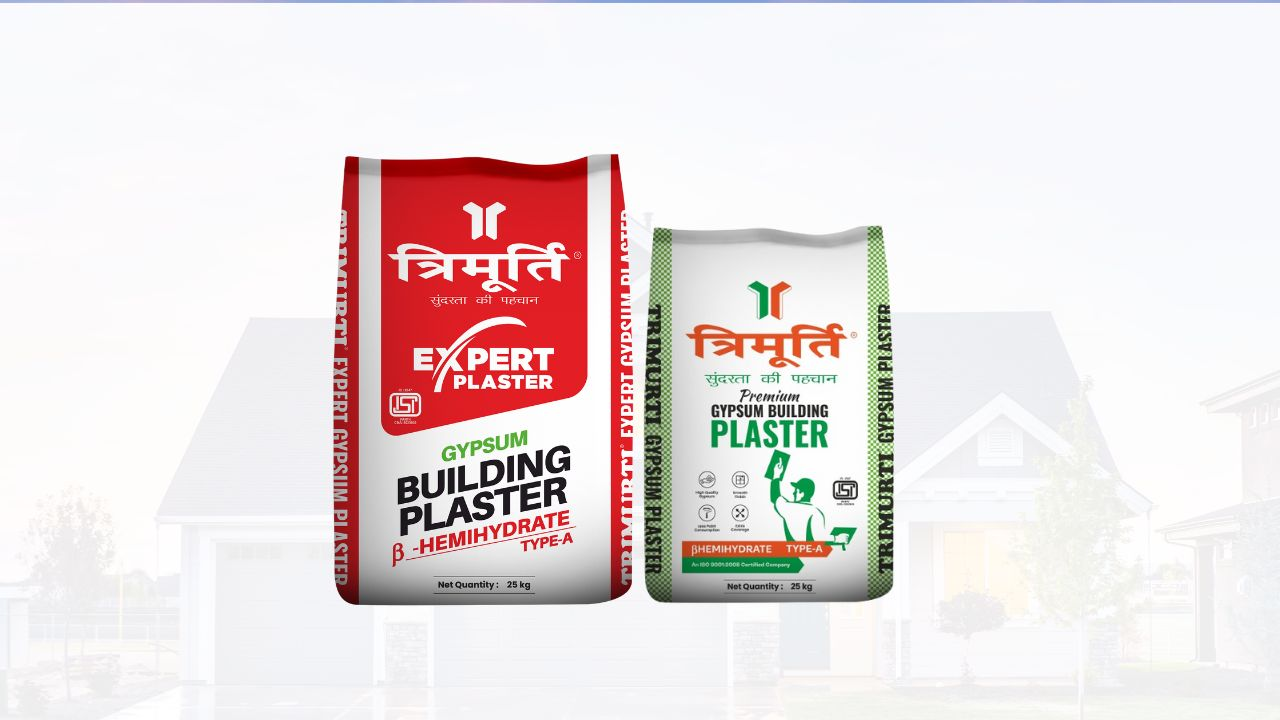
The powder is the first step toward quality. Consistently fine powder that mixes easily is produced by a trustworthy gypsum plaster business in India. For instance, mixing in Trimurti gypsum plaster is predictable due to its stringent quality standards.
Even the greatest powder, however, cannot compensate for inadequate mixing methods. Making a homogenous mixture with the proper consistency for your particular use—free of air bubbles—is the aim.
Important Equipment and Supplies
You do not need to spend a lot on equipment, but the right basic equipment could help a lot. Obtain a sanitized mixing basin, ideally made of rubber or plastic, as plaster will adhere less firmly. Small batches can be made with an old spoon or a mixing stick. For bigger quantities, a drill with a paddle attachment expedites the process.
Water should always be clean and at a normal temperature. Plaster sets too quickly when it is heated. It slows down too much in cold water. You can work as long as you need to at room temperature.
Make sure to measure your materials. Results from eyeballing ratios are not always constant. You stay on course with the help of measuring cups or a kitchen scale.
Ratio of Basic Mixing
About two parts plaster of Paris powder to one part water by weight is the usual ratio. About 1.5 cups of powder to 1 cup of water by volume is what this corresponds to. This is a good place to steal a few modifications to various projects, though.
Approved ratios are commonly displayed on the printing of the packaging of some reliable gypsum plaster suppliers. First, adhere to these, then modify in light of your needs and experience.
The Mixing Process in Steps
First, fill your mixing bowl with water. This is vital. Adding water to powder results in lumps that are very difficult to get rid of. Powder is always added to water, not the other way around.
First, measure out your water and fill the basin with it. The plaster of Paris powder should then be gradually applied to the water’s surface. Don’t throw everything at once. Before you add more, let each handful sink and get soaked.
Wait two to three minutes after adding all of the powder. The powder can uniformly absorb water during this soaking period. Your finished product will have weak patches and uneven mixing if you rush this phase.
Steer Clear of Typical Mixing Errors
Avoid overmixing. Excessive stirring of plaster adds air, which makes the plaster weak and creates defects on the surface. Stop after mixing just until smooth.
Temperature is more important than most people think. If your work area is really hot, the plaster will set more quickly than usual. The setting time is slowed by cold temperatures. Make an appropriate plan.
Don’t add more water after mixing has begun. Instead of trying to correct the uniformity in the middle of the mix, it is best to start anew. Weak patches result from adding water to partially mixed plaster.
Verifying the Consistency of Your Mix
The consistency that works best for your project will vary. Thinner plaster that flows freely and coats uniformly is what you want for casting intricate molds. Thick, shape-holding plaster is excellent for repairs or surface building.
A basic test aids in evaluating consistency. Take your mixing tool and lift some mixed plaster. It should leave the tool somewhat coated yet flow off cleanly. It is too thin if it runs off like water. It’s too thick if it stops flowing and clumps.
Working on Various Project Types
Thinner mixes are necessary for casting tasks in order to capture tiny details. A little more water should be used than is recommended. Avoid air bubbles in your casting by pouring slowly.
For wall repairs, heavier mixes that don’t sag or run work better. Reduce the amount of water a little and stir until the mixture resembles a paste.
In the middle of these two extremes is sculpture. Plaster that retains detail but is still pliable enough to smooth and shape is what you desire.
Recognizing Setting Times
Plaster of Paris begins to set rapidly after mixing, typically within ten to fifteen minutes. You can work with it for about five to seven minutes before it gets too rigid to work with.
High-quality plaster from a reputable gypsum plaster company in India usually offers reliable, regular setting times. Cheaper powders may set erratically, which could cause uncertain timing.
Look for the earliest indications of thickening. Working time is running out when the plaster begins to look more matte and less shiny and wet.
Blending Bigger Batches
Plaster is needed in greater quantities for larger projects, but your small batch method cannot be scaled up. When large quantities are set, heat is produced, greatly accelerating the process.
In three to four minutes, only mix what you can use. Multiple little batches are preferable to wasting material on mixes that are set before you can utilize them.
Keep speeds modest when using power tools for large amounts. Air bubbles are produced by high-speed mixing, which can also heat the liquid sufficiently to hasten setting.
Advice for Quality Control
Good trimurti gypsum plaster and other high-quality goods should mix smoothly and not have a gritty texture or a lot of lumps. If your powder routinely produces subpar results, you might want to switch vendors.
Keep plaster powder in a dry environment. Uneven setting and poor final strength are caused by moisture absorbed during storage. It is advisable to use sealed containers in cool, dry locations.
Verify the dates of expiration. Plaster powder that is too old becomes less effective and may not set correctly. There is a valid reason why most manufacturers date their items.
Issues with Mix Troubleshooting
Lumpy plaster typically results from rushing the powder addition process or not allowing it to soak sufficiently before mixing. For small lumps, strain it through a fine screen; for large lumps, start anew.
Too wet, too old, or contaminated plaster may be the cause of unsetting plaster. Prior to taking into account the powder’s age and storage circumstances, check your ratios.
A setting that is too quick frequently suggests heated temperatures or partially deteriorated powder. Use new supplies and relocate to a cooler location.
Application and Surface Preparation
Plaster, even when properly prepared, is ineffective when put on subpar surfaces. The best adherence occurs on clean, somewhat moist surfaces. Extremely dry surfaces may draw moisture away from the plaster too rapidly.
Don’t rush; apply the mixture plaster as soon as possible. It is more effective to apply even, smooth applications rather than attempting to apply thick layers all at once.
Conclusion:
While properly mixed plaster takes around 30 minutes to reach handling strength, it takes several hours to continue hardening. It may feel firm, but don’t worry about it too soon.
The ideal curing conditions are moderate humidity and room temperature. Extremely dry air can cause surface cracking, but high humidity lowers the velocity of the final hardening.
Plaster of Paris powder takes practice to master the results, but with some simple rules, you will get there in a short time. Be accurate in measurements, keep time, and start with quality products of a reputed gypsum plaster company. You’ll see the difference in your projects.